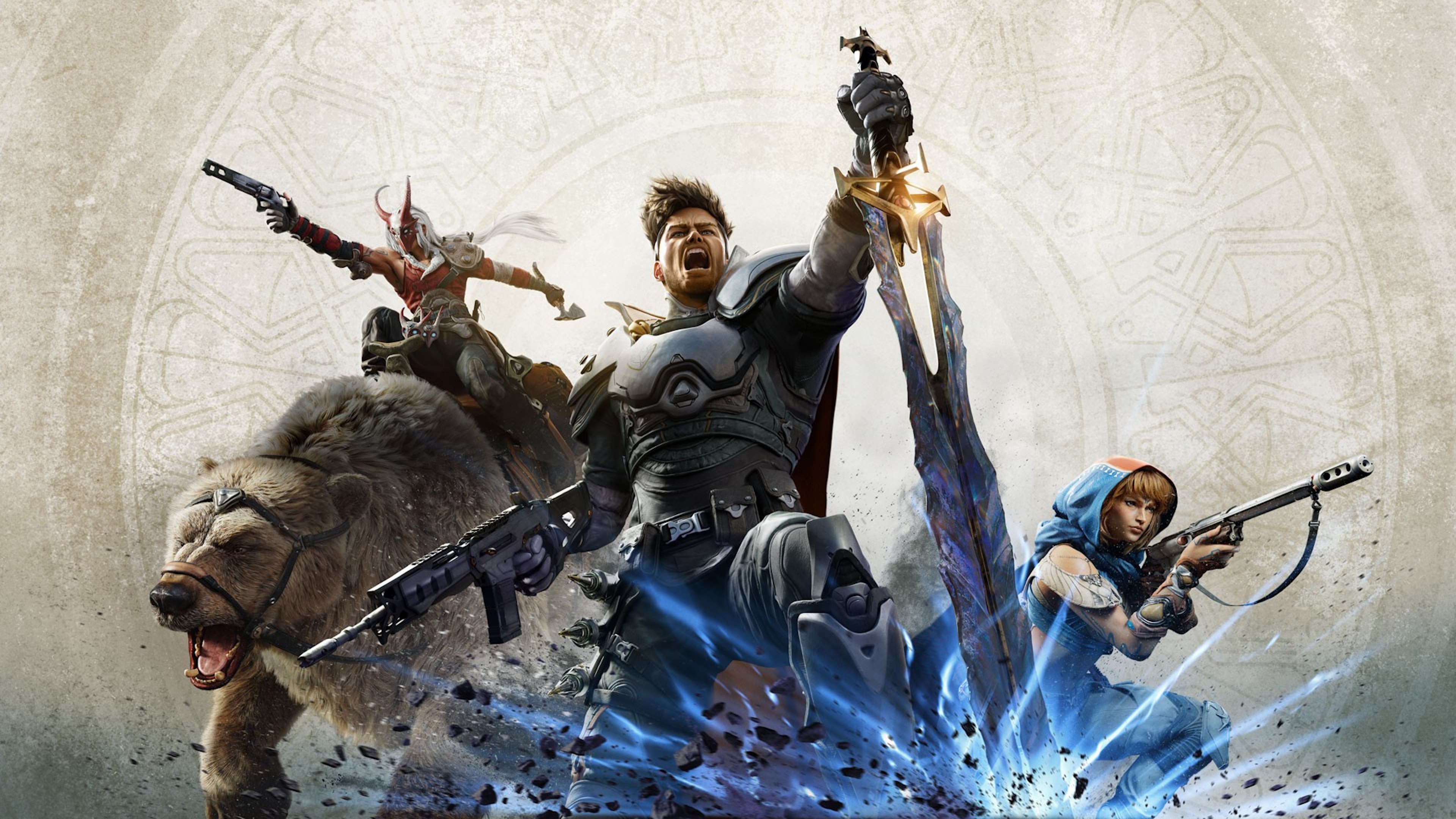
Highguard recently put out a statement announcing that they have made the difficult decision to shutdown Highguard on March 12th. Alongside this, they released one final update featuring a skill tree, a new Warden, a weapon, and account-level progression, which unfortunately will not matter much in a week’s time.

Now the question is why did Highguard fail? Was it truly a bad game, or was it the internet hate mob? The truth is that this project had multiple points of failure in its marketing.
The original plan for the game, prior to The Game Awards, was to simply shadow drop it. This would have meant no marketing, just releasing it into the wild and hoping the game spoke for itself. In truth, that likely would have resulted in a much more positive reception than the TGA announcement, but it probably would have also meant the game launched with a much lower initial player base.
If they had gone down either path, however, I believe we would still be in the same place we are today with Highguard closing down.

The reason for this is the same reason that 95% of these live-service games will fail or have already failed. The industry is full of live-service experiences that players are already invested in. Because of this, it is not just about selling players a new experience. It is about pulling them away from the ones they are already committed to.
You can release a game like Highguard that does something a little different and feels decent enough, but why would that be enough to pull people away from the games they are already invested in?
To me, it looks like a lot of studios and publishers are taking shots and hoping they have the next Fortnite. It is hard to say if this was exactly the case for Highguard, but the studio reportedly took on investment from Tencent and hired a large team that the game unfortunately would never have been able to support without those investments, unless it truly became a breakout hit that captured a lot of attention.
I am sure there are also factors behind the scenes that are unique to Wildlight’s situation, but this same story will likely repeat itself for many studios that choose to go down this route.
So if you are looking to create a live-service game, more often than not you are gambling and you should be aware of that. You have to produce something that not only competes for attention in an already saturated market, but also do it on a budget that can sustain your team. Otherwise you are throwing it all on black and watching the wheel spin.
Leave a Reply